Tuesday, 21 February 2012

Carp Bait: Treat a carp to its Favourite Meal


A carp is an intelligent fish and it also has a memory. It knows what’s good and what’s not edible. Carp may test the food’s nutritional content, its taste or to determine if it has gone off. It may reject bait because it remembers that a particular substance or smell was previously accompanied by a hook.
Like all creatures, carp have daily nutritional requirements for vitamins, minerals, proteins, amino acids (lysine and methionine), carbohydrates, oil and fibre. Carp can smell amino acids emitted by bloodworms, crayfish, and aquatic plants. Green-lipped mussel extract, kelp extract, liver powder and molasses contain sucrose and amino acids, which the carp has learned to recognise as having nutritional value. Some anglers use peanuts. While peanuts contain lipids, sugars and amino acids, these do not mimic the natural foods carp like.
Carp love boilies, bread crust, meat baits, maize, fruity flavours (items containing vitamin C), stilton cheese, white fishmeal (herring meal is very desirable to carp), full fat soya flour, lactalbumin, rennet casein, robin red, hemp and seaweed extract. The best items are those that either emit favourable smells or contain ingredients which mimic them. Carp will also eat flavoured imitation baits. When boilies fail to attract them, artificial corn will usually work. Zoom Carp Snacks have been used successfully by many carp anglers. The snacks come in honey, vanilla, strawberry and chocolate flavours.
What works one place at one time of the year will not necessarily work at another or during a different season. Anglers often use easily digested food/ingredients in bait during the winter because carp don't move much due to the cold conditions. In the summer months, when fish are more active, anglers should use more protein in their baits. Older carp, however, require less protein.


Boilies


There are shelf life boilies and there are the homemade varieties. Generally, if you make your own boilies they should work out cheaper and if done correctly, some anglers swear, more effective. You must make up your own mind on which is best for you and your situation.
At the time of writing, Mainline makes boilies in several different flavours that are attractive to carp. These include Strawberry Jam, Sweet Pineapple, Tiger Nut, Tutti-Frutti, and Halibut. The 18mm versions are designed to catch in all fishing situations. Newfields makes Fire and Ice (F&I) boilies. They are a blend of marine proteins, milk protein, vegetable extracts, kelp, belachan block, hot chilli powder, spices and betaine. F&I boilies are available in 14-24mm sizes. They are designed for year round usage and are especially valuable in the cold winter months.
Making a boilie at home is akin to making a cake. You mix 6-10 eggs; flavours and additives; liquids; maize, corn semolina, soy flours; powdered milk and sugar to form a paste. Almond essence, liver flavour, anchovy concentrate, squid, octopus, amino acids, peach and pepper flavours, betaine, shellfish, plum, fruit, green lipped mussel, red salmon oil and curry powder are particularly effective additives. The mixture is rolled into a ball, placed into a fry basket and then boiled for 1-3 minutes. The finished boilies are dried on paper for 2-3 days. They are now ready to use or they can be stored in the freezer.
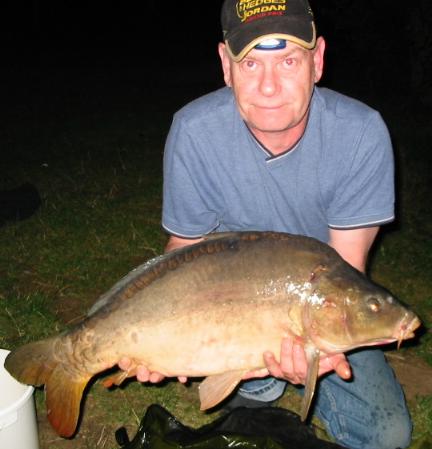
Basic information on bait for carp fishing
 

There are various types of boilies depending on the materials used. High Nutritional Value (HNV) boilies incorporate a range of ingredients that benefit the fish in some way. A typical HNV mix will include digestible or predigested casein's, proteins, vitamins and minerals. An angler making his own boilies can add other flavours, colours, and enhancers. The drawback to HNV baits is that they are expensive. Best results using HNV boilies are achieved from June to November.
High Attract (HA) boilies are generally buoyant. They are normally used as a single hook bait (no free offerings around the hook bait). The HA boilies are over flavoured, producing a brightly coloured bait that stands out from the lake bed. The high level of attraction is produced with the aid of a bait dip, soak or glug. The baits are very effective all year round, but especially so during the really cold winter months when the carp don’t want to get their heads down to feed.
Soluble boilies are not used to place the hook in the carp’s mouth. Instead, they dissolve and form a particle layer on the bottom with an intense scent that cause the carps to investigate. They have delicious flavors, usually wheat, maize, or cinnamon amongst others. The soluble boilies are made without eggs. The flours, including portions of salt or sugar, are mixed with water or with milk. The boilies are not cooked and left to air dry.
Non-soluble pellets are made the same as regular boilies. Instead of being rolled into balls, they are formed into long cylinders, cut into sections, cooked in water, and dried on paper.


Particle baits

Particles refer to seeds, nuts and grains that are used as either hook bait or groundbait. The best known and most widely used is maize. It makes a great bait after soaking and boiling. Tiger nuts are brown nuts with a very rough texture. They are one of the hardest particles around and must soak for 24 hours before being boiled for 30 minutes. The prepared nuts are best when left in the water for 2-3 days after boiling. The water is turned milky white due to sugars in the nuts. Two nuts on a hair rig are excellent as a bottom bait. To make a pop-up (buoyant bait), sandwich a piece of cork shaped like a nut between two nuts on a hair rig. Other particle baits include hemp, hempseed, maple peas, and lupins. Flavorings, dips and additives make particle baits more attractive to carp. One of the best commercial particle baits is WackerBlendPlus.


Groundbaits

Groundbait is made from different kinds of natural ingredients such as bread crumbs, hemp, walnut flour and so on. It is moistened with water, formed into balls and thrown into the water where you plan to fish. The carp are attracted to the smell and clouding of the water. One of the best types of groundbait is made by van den Eynde. There are numerous groundbait fishing tactics helping to catch more carp!


Live baits

The diet of small carp includes black midges and animals without backbones ½ millimeter+ long (the size of a pencil dot). These animals live on rocks, logs, sediment, debris and aquatic plants during some phase of their life. They include crayfish, clams, snails, aquatic worms and the immature forms of aquatic insects, such as stonefly and mayfly nymphs.
The adult carps are omnivores, and their diet includes molluscs, water fleas, aquatic crustaceans, sea lice, lawn shrimp, beach flees, aquatic and terrestrial insects, detritus, seeds, fragments of dead aquatic plants and filamentous algae
There are a number of live baits that you use to catch carp. These are the same creatures that carp would find in the water. Mainline makes bloodworm extract stik pellets, which easily break down and draw carp to your baiting area. Dynamite Baits makes fishmeal boilies containing flavours that carp like, such as crab, shrimp, octopus, halibut, oyster, and chicken.

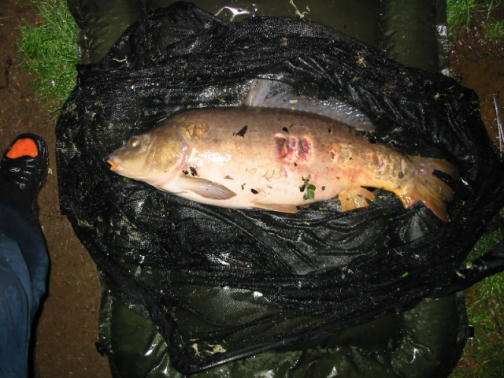
Can Rain Affect Carp Fishing?

I would say that in most cases rain would actually encourage carp to start feeding, especially in the summer when it helps to oxygenate the water. The only reason rain may cause carp to stop feeding, is if the rain is consistently very heavy, or if it’s cold rain and causes the temperate of the water to drop. In this case, the fish could decide to move on to a different area of the lake which provides more warmth.

The affects of rain on carp fishingIn the winter months, if you were fishing in fairly shallow water and it started to rain heavy, the cold rain would affect the shallow water quickly causing the fish to become uncomfortable. Therefore in this situation, the fish will probably move on, no matter how much bait you have provided them. The carp would more than likely return to wallop up the rest of your bait when the water temperature rises once more. This is usually during a bright morning as the sun hits the shallow water. In this case, a carp angler might start to believe that carp don’t feed when it rains, when in fact they do feed most of the time.

This is actually a hard question to answer because it really depends on several factors. Plus, as the example above suggests, many situations when fishing for carp could cause confusion simply through some coincidence. If carp do ever stop feeding during rain, it could be for another reason other than the rain itself; maybe they have become full or finished off all your free bait just as the rain had started. Maybe the air pressure has changed lately. It could just have simply become the feeding "switch off" time for the carp in that particular water. All lakes have different patterns for when the carp prefer to feed, so any drop in carp catch rates could simply be because it’s the wrong time!

There are many reasons why carp won’t feed, and if the timing is right, many of the causes could give the impression that it was due to the rain, or another reason, that caused carp to stop feeding. For these reasons, I think it’s important to keep an open mind about why any species of fish stop feeding.

Here is a list of carp fishing tips


  1. If you can, try to locate the fish before choosing a peg. Locating the carp, or any possible patrolling area is a largest part of carp fishing success.
  2. Use fishmeal-based boilies during the summer and autumn, try 50/50 mixes or bird food types of bait during winter and spring.
  3. Add plenty of salt to particle baits, especially the cooked types like hemp, maize, tares, beans, partiblend seeds, maple peas and chick peas. Carp love the taste of salty foods. As a rough guide, add one tablespoon of salt to 5 litres dry particles. These are also good cheap baits to use!
  4. Try adding chillies to some particle baits. Carp seem to love that hot "kick" from those spices. Roughly add 2 tablespoons to 5 litres particles.
  5. If the standard carp baits like boilies don't seem to be working, try using maggots. Here is a maggot carp rig to try. You can fill a small PVA bag with maggots to get some free offerings out at distance. Or you could even half-fill the bag with dry groundbait to give off a cloudy attraction.  (If you are concerned about maggots wriggling away or into silt try using previously frozen dead maggots.)
  6. When the water is cold such as in the winter, try casting your rigs a little more frequently, and target different areas in order to place a hook bait close to the fish. Cold water slows down the movements of carp so there's less chance the fish will swim towards your bait. In the summer, you can lay traps in possible patrolling areas and wait for the carp to find the bait.
  7. Use different sizes of pellets or particles in a spod mix. This helps confuse the carp, it also gives you the option to use various sizes on the hook.
  8. Add high sources of vitamin C to your bait. I often mix my method up using orange juice rather than lake water. You can also try soaking fresh boilies in orange juice in order to give that distinct flavour and extra sugar.
  9. If you're worried about overfeeding the swim then use breadcrumb groundbait with just the attractants added but without all the particle baits included. this way you get all the attraction without filling the fish.
  10. Whenever you can, try to stay away from using round bait. Far too many carp are caught on round baits, you want to be different. I sometimes just square up the hook bait using small scissors.
  11. Try crumbling a multi-vitamin pill into your method mix. Carp love highly nutritious foods!
  12. If you're fishing a new water, try using brightly coloured bait with high attract smells. Only switch if you know there are carp in the swim and you are having no action.
  13. Try to get carp competing for the bait. When carp compete for food they lower their guard and are easier to catch.
  14. In the winter, try fishing the silt areas at the bottom of gravel bars.
  15. Always try to camouflage your end tackle to suit the lake bed you're fishing on. I sometimes weight down a spod with leads, then cast it out and let it sink to the bottom, then scrap up a sample of the bottom. I can then create my end tackle to suit the same colour. If possible, I try to do this a few days before a fishing session.
  16. Always use good quality bait when fishing for big carp.
  17. If you're catching carp in a certain spot then you want to place your rigs in the exact same spot every time you cast. To help do this, place some marker line or a small piece of tape on the main line once you have the rig in your preferred area. 
  18. Rather than throwing unused particle baits into the lake at the end of the session, take them home and freeze them. Many particles such as hemp, maize, chick peas and beans can be frozen and kept, even maggots can be frozen and used for another carping session.
  19. To help stop a banked carp from jumping around when trying to remove the hook, try covering up the eyes with a wet, dark cloth.
  20. Try not to throw out too much bait at the start of a session, try the "little and often approach". Remember you cannot take out what has already gone in!
  21. Try not to overfill a spod it will cause spillage in mid flight. It may also alter the course of the spod.
  22. If fishing a pressured venue, don't add too many bright baits to your spod mix Bright colours often spook shy carp, only try out the bright colours if the neutral colours don't work. 
  23. In cold weather try soaking hook bait in neat liquid flavourings. These are usually much stronger helping to release attractant over a longer period.
  24. To help locate the distance of the fish in the swim, fish with tight lines and stagger the rods at various distances. If you get line bites on the rod closest to the bank, then you know you're fishing too far with the other rods.
  25. Tiny seeds used in any spod mix can help hold carp in a swim for longer. I believe some of the seeds become wedged or hidden in the lake bed and as a result, it takes longer for the carp to find the majority of these particles. However, do your research as not all seeds are effective for catching huge carp!
  26. If you want to achieve more bites when fishing for carp, try scaling down on your end rig tackle. Smaller item of rig tackle are less visible but also, smaller hooks are often sharper because the wire is thinner. Sharp hooks always catch more carp out!
  27. Always use Rock Salt over normal table salt when preparing particles or making your own baits. There is evidence which suggests carp are far more attracted to rock salt.
  28. Do not always follow the wind for locating carp. Smaller waters are less affected by winds. Also, some of the bigger carp in larger waters may NOT follow the wind because angling pressure has taught them it could be dangerous!
  29. Always plop in a few baits before casting out a rig. If there are carp feeding in your swim then the bait dropping down will cause them to move away for a while, then fire out your rig. It's much better to spook carp with bait rather than a heavy rig!
  30. If the majority of anglers on your local water bait heavy and bivvy up for days, then try roaming or stalking tactics. Maybe place small patches of bait in different margin areas around the lake. Frequently visit these areas and try dropping our a rig.